
The Most Dangerous Cyberattack Doesn't Involve Code. It Involves You.
Social engineering is how hackers bypass every firewall, antivirus, and security tool you own by targeting the one thing they can't patch: people.

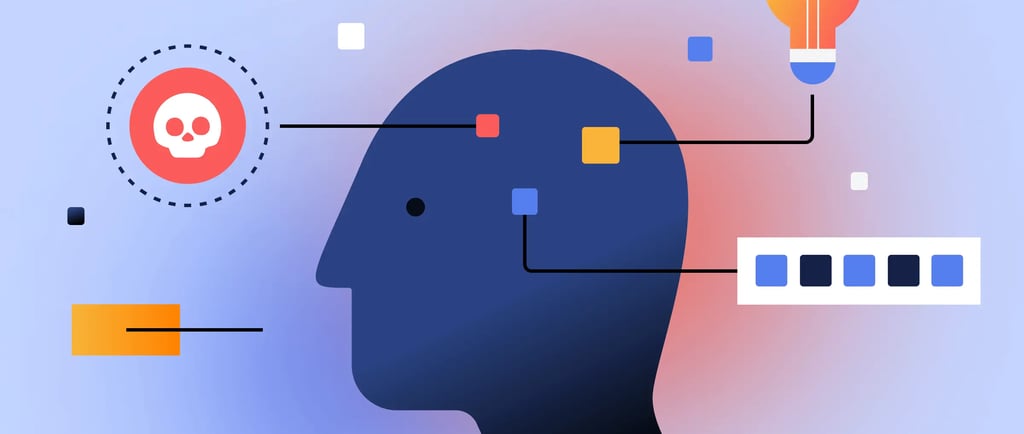
Your company could have the best firewalls money can buy, enterprise-grade endpoint protection, and a zero-trust architecture that would make a CISO weep with joy. None of it matters if someone on your team picks up the phone and reads out a verification code to the wrong person.
That's social engineering and it's responsible for more breaches than any exploit or zero-day ever will be.
What Is Social Engineering?
Social engineering is the art of manipulating people into giving up confidential information, credentials, or access. No malware required. No technical vulnerability exploited. Just a well-crafted story, a sense of urgency, and a target who doesn't realize they're being played.
And before you think your team is too smart to fall for it consider that Google and Facebook collectively lost over $100 million to a single attacker who impersonated a supplier over email for two years. A hacker once tricked a White House cybersecurity official by posing as a senior advisor. If organizations with unlimited security budgets get caught, no one is immune.
The Four Tricks Every Business Should Know
1. Phishing — The Volume Play 🎣
We covered phishing in depth in a previous post, but it deserves a mention here because it's the most common form of social engineering by far. Mass emails impersonating banks, vendors, or executives designed to harvest credentials or deliver malware. Attackers send thousands and only need one person to bite.
2. Pretexting — The Con Artist 🎭
This is where it gets personal. An attacker builds a believable story a "pretext" to extract information. They might call your front desk pretending to be from IT support and ask an employee to confirm their login details for a "system migration." They might email your finance team posing as a vendor with updated bank details for an upcoming payment.
The key is that pretexting involves research. The attacker knows names, departments, and enough internal context to sound credible. That's what makes it so effective it doesn't feel like an attack. It feels like a normal Tuesday.
3. Baiting — The Trap You Walk Into 🪤
A USB drive left in a parking lot. A "free" software download on a forum. A link to a "leaked salary spreadsheet" shared in a group chat. Baiting exploits curiosity — and curiosity is a very human trait that no security training fully eliminates.
In controlled experiments, nearly half of people who find a USB drive will plug it into their computer. Attackers know this and use it.
4. Tailgating — The Physical Shortcut 🏃
Not all social engineering happens online. Tailgating is when someone follows an authorized employee through a secured door without badging in themselves. They might be carrying a stack of boxes, wearing a delivery uniform, or simply walking confidently enough that no one questions them.
Once inside, they have physical access to workstations, network ports, and anything left unlocked. A five-second lapse in physical security can undo months of digital hardening.
Why These Attacks Keep Working
Social engineering succeeds because it targets emotions, not systems. The most common triggers are:
Urgency. "This needs to happen in the next 10 minutes or we lose the deal." When people feel rushed, they skip verification steps.
Authority. An email from the CEO carries weight. Attackers know that most employees won't question a request that appears to come from leadership even if the request is unusual.
Helpfulness. Most people genuinely want to be helpful. An attacker posing as a confused new hire asking for "a quick favor" exploits exactly that instinct.
Fear. "Your account has been compromised click here to secure it immediately." Fear overrides logic.
Understanding these triggers is the first step to resisting them.
What Your Team Should Do Starting Today
Verify before you act. If someone asks for credentials, payment changes, or access — verify through a separate channel. Don't reply to the email. Call the person directly on a known number. Walk over to their desk. Thirty seconds of verification prevents months of cleanup.
Slow down on urgent requests. The more urgent a request feels, the more carefully it should be handled. Real emergencies survive a two-minute verification pause. Scams don't.
Limit what you share publicly. Attackers build pretexts from LinkedIn profiles, company websites, social media, and even out-of-office replies. The less an attacker knows about your org chart and internal processes, the harder it is to impersonate someone convincingly.
Report everything suspicious. A failed social engineering attempt is still valuable intelligence. If someone on your team gets a suspicious call or email and doesn't fall for it, that still needs to be reported — because the attacker will try someone else next.
Awareness Is the Starting Point Not the Finish Line
Training your team to recognize social engineering is essential. But relying on human vigilance alone is a gamble. The businesses that consistently defend against these attacks combine awareness with technical controls:
Email authentication protocols (SPF, DKIM, DMARC) that make impersonation harder. Multi-factor authentication that renders stolen passwords useless. Access controls that limit what any single compromised account can reach. Incident response procedures that kick in the moment something suspicious is reported.
The goal isn't to make your team paranoid. It's to build an environment where even if someone gets fooled and eventually, someone will the damage is contained and recoverable.
Not Sure Where Your Blind Spots Are?
MSPE helps businesses defend against social engineering from every angle — awareness training, email security, identity protection, and incident response planning. We assess how your team actually works, where the human vulnerabilities are, and which technical controls are missing. Then we build a defense that doesn't depend on everyone being perfect every time.
Because the best security strategy assumes someone will eventually click. The question is what happens next.
Want to know how exposed your team really is? Reach out at info@mspe.pro — we'll help you find out before an attacker does.
MSPE — Unlocking the Power of Choice. Managed IT & Cybersecurity Services for SMBs, Schools, Law Firms & Charities.